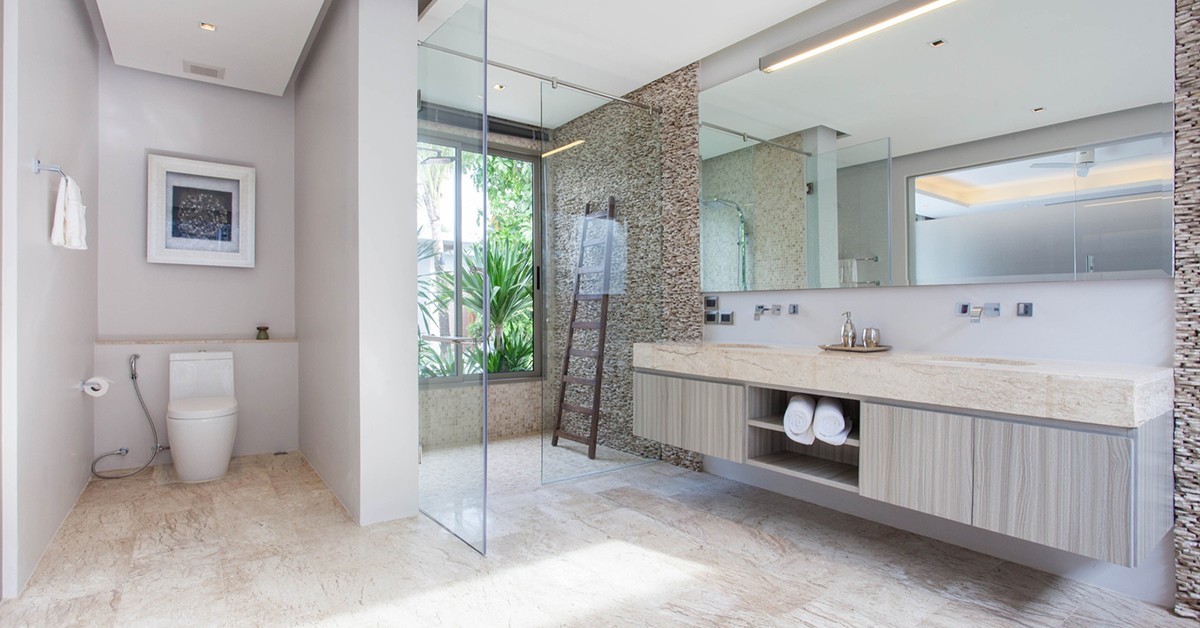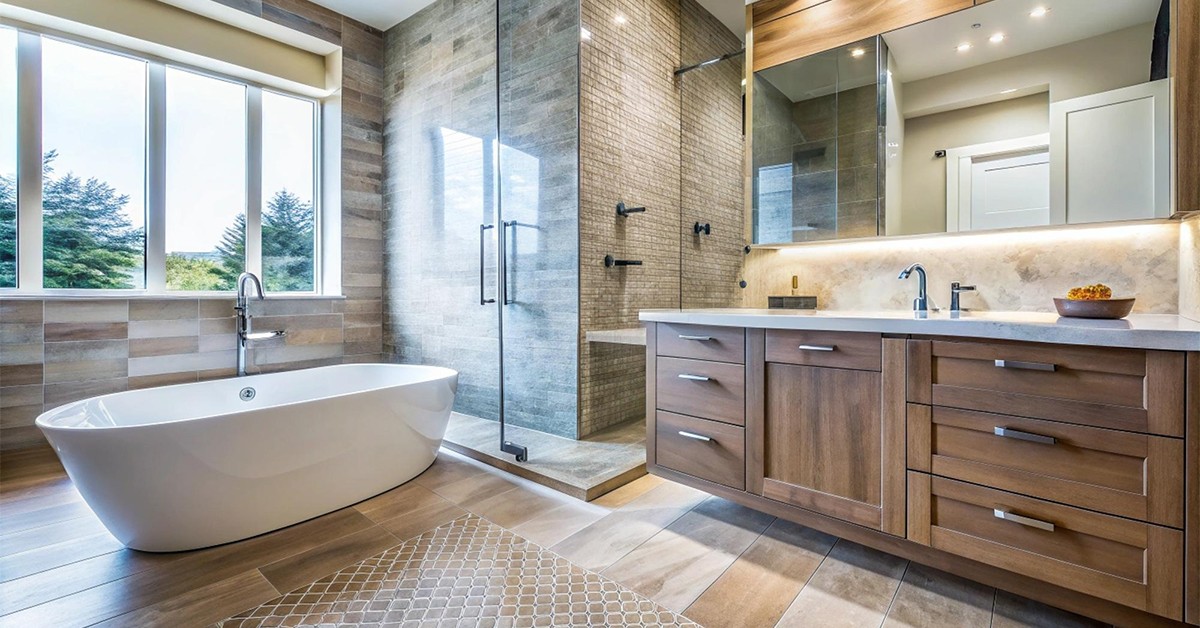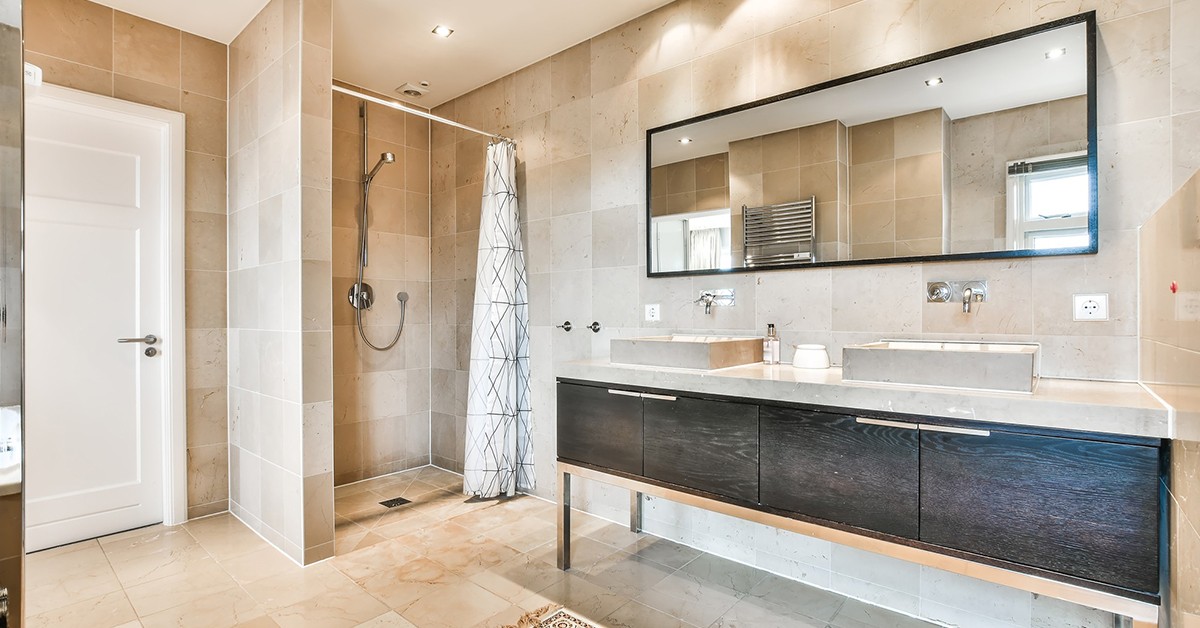
Water and bathrooms go together. Every shower, every bath, and every quick hand wash sends moisture into the air and onto the floor. Over time, that moisture finds its way into cracks, seams, and weak spots. This matters even more during a bathroom renovation in Durham, NC, where humid summers and older housing stock can make flooring choices tricky. Picking the wrong floor can lead to warping, mold, and costly repairs down the road. Picking the right one protects your home and saves you money for years to come. Let’s walk through how to choose flooring that holds up to Durham’s climate and daily wear.
Bathrooms trap steam and standing water more than any other room in the house. Without the right flooring and setup, water sneaks under tiles and into subfloor layers. Small leaks add up over time. A dripping faucet or a leaky shower pan can quietly damage wood or drywall for months before you notice. Here’s what happens when moisture control fails:
A well-built floor keeps water on the surface, where it belongs, instead of letting it soak into the layers underneath.
Not every flooring material handles moisture the same way. Some options are built for wet rooms. Others are better suited to dry spaces like bedrooms or living rooms.
For most Durham homes, porcelain tile or luxury vinyl plank gives the best balance of durability, style, and moisture protection. Both stand up well to humidity swings between North Carolina’s wet summers and drier winters.
Picking a water-resistant material is only the first step. The layers underneath your flooring matter just as much as what you can see on top.
This layer sits beneath your flooring and creates a smooth, stable base. A good underlayment keeps tiles from cracking under pressure and helps the whole system stay level.
This thin barrier sits between the subfloor and your finished flooring. It stops water from ever reaching the wood or concrete underneath, even if some moisture gets past the surface layer.
High-quality grout and sealant close up tiny gaps where water could sneak through. Cheap grout absorbs moisture and cracks fast, so this step is worth doing right the first time.
Skipping any of these layers can undo the benefits of even the best flooring material. This is one reason a bathroom renovation in Durham should always include a full look at what’s under the surface, not just what’s on top.
Here is a simple process to help you land on the best choice for your home.
Walking through these steps with a contractor helps you avoid guesswork and pick flooring built for how you actually use your bathroom.
Even good intentions can lead to costly mistakes. Watch out for these common missteps:
Avoiding these mistakes now can save you thousands in repairs down the road.
Choosing the right flooring is one of the biggest decisions you’ll make during a bathroom renovation in Durham, NC. We know it can feel overwhelming with so many materials and layers to consider. That’s exactly why homeowners across Cary, Apex, and Durham turn to us for guidance they can trust.
At Gary The Handyman, we walk you through every step, from picking the right material to making sure the waterproofing underneath is done properly. Our goal is a floor that looks great and holds up for years to come. Reach out today, and let’s talk about what your bathroom needs.
What is the most waterproof bathroom flooring?
Porcelain tile and luxury vinyl plank are the most waterproof choices. Both resist water well when installed with a proper waterproof membrane underneath.
Can you put hardwood floors in a bathroom?
Solid hardwood is not recommended for bathrooms. It absorbs moisture, swells, and warps over time, even with regular sealing.
How often should bathroom grout be resealed?
Most bathroom grout should be resealed every 12 to 18 months. Homes with heavy shower use may need resealing sooner.
Is vinyl flooring good for a humid bathroom?
Yes. Luxury vinyl plank has a waterproof core, making it a strong choice for humid bathrooms and easy to maintain.
What causes bathroom floors to feel soft or spongy?
A soft or spongy floor usually means water has damaged the subfloor. This often happens when waterproofing was missed during installation.