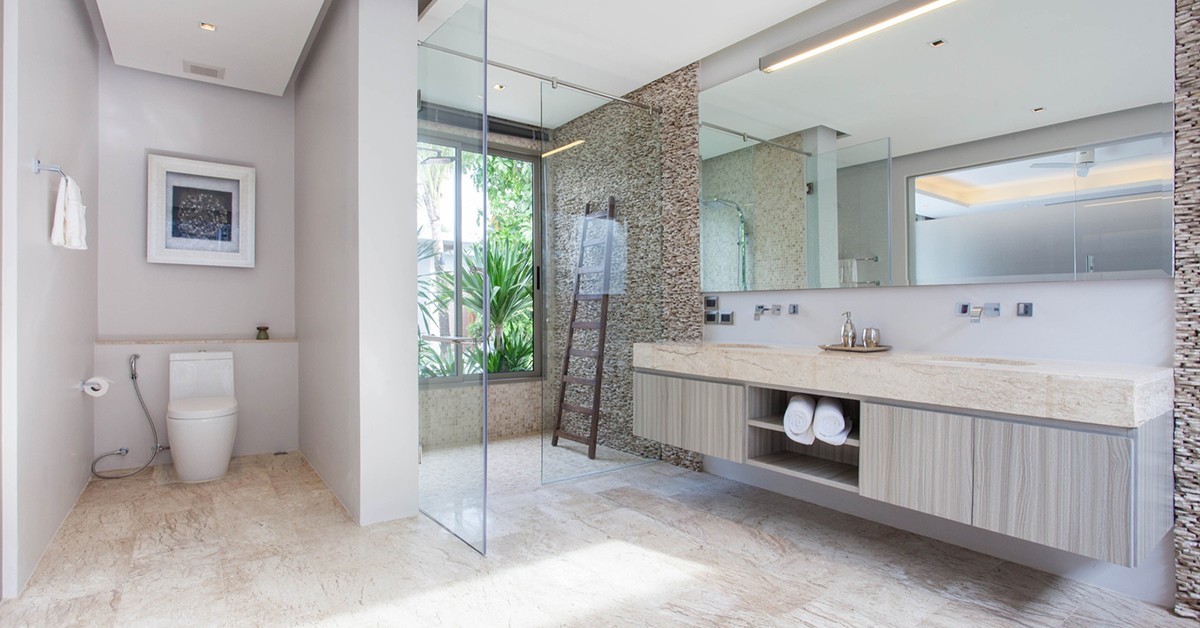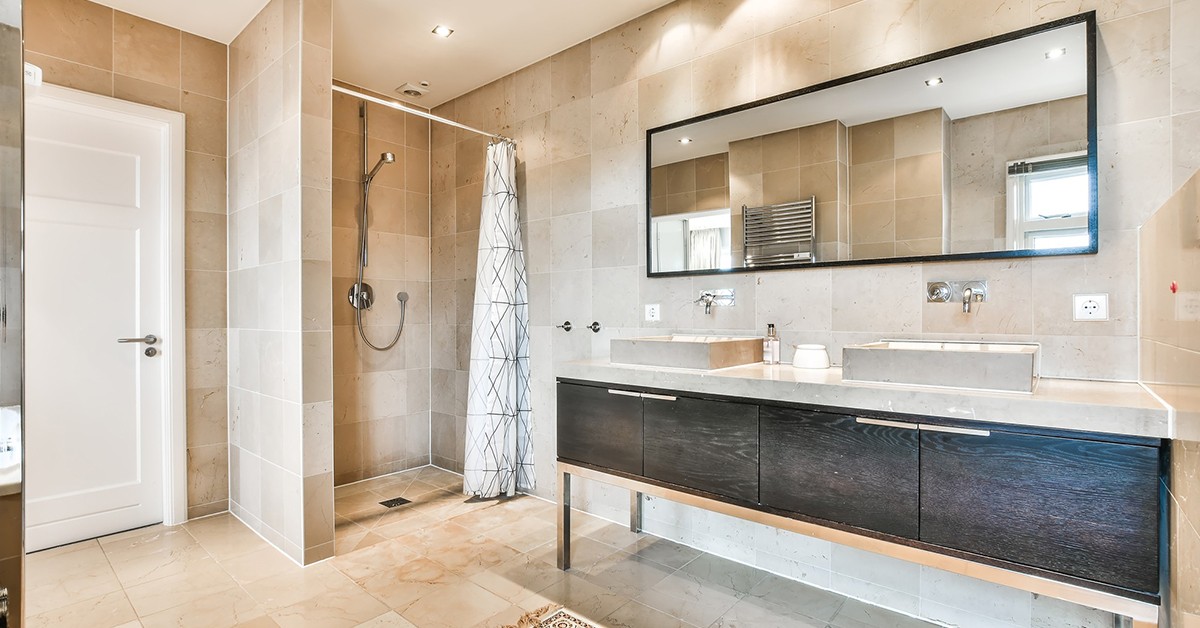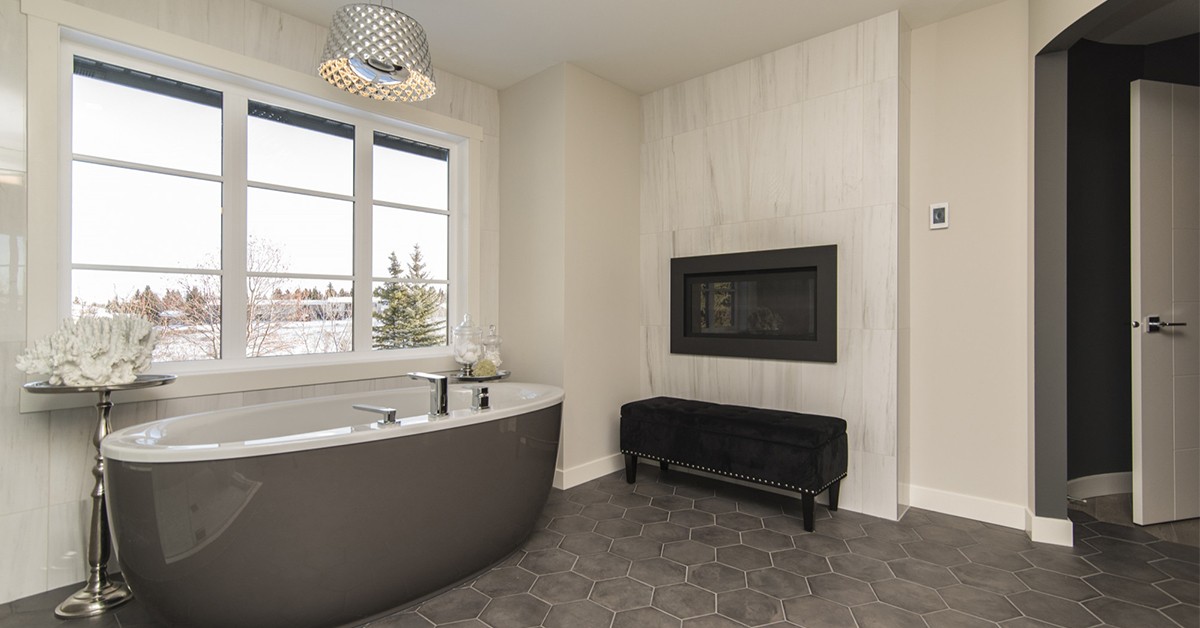
Your bathroom looks tired. The tile is dull. The faucet drips. But is this a quick refresh, or does it point to bigger problems hiding behind the walls? That question trips up a lot of homeowners. A fresh coat of paint and a new vanity can transform a bathroom for a few thousand dollars. A full remodel costs much more and takes weeks. Picking the wrong option wastes money either way. Good bathroom remodel planning starts with knowing which signs point where.
This guide walks you through both paths. You will learn what separates a cosmetic fix from a structural one. By the end, you will know exactly what to check in your own bathroom before you call anyone.
Think of your bathroom in two layers. The surface layer includes paint, tile, fixtures, and lighting. The hidden layer includes plumbing, wiring, subfloor, and ventilation. A cosmetic update only touches the surface. You swap out an old faucet, repaint the walls, or replace cracked tile with new tile. The bones of the room stay untouched because they are still solid.
A full remodel goes deeper. Walls open up. Old pipes come out. The floor gets rebuilt if it is damaged. This work costs more, but it fixes problems a fresh coat of paint can never solve. The trick is figuring out which layer is actually causing your bathroom’s issues.
Some problems are only skin deep. If your bathroom checks these boxes, a refresh should do the job.
If none of your problems go deeper than looks, you likely have a refresh on your hands.
Other signs point to trouble you cannot see. These are the ones that should push you toward a full remodel instead.
Seeing even one or two of these signs is worth a closer look from a professional.
Follow these steps before you commit to any project.
Press down near the tub, toilet, and shower. Any softness or give is a red flag.
If mold or grout stains return after cleaning, moisture is trapped somewhere behind the surface.
Homes built before 1990 are more likely to have old pipes, outdated wiring, or vents that do not lead outside.
One sign from the “full remodel” list is worth watching. Two or more usually means it is time to plan a full rebuild.
A trained eye can spot problems you might miss, especially behind walls or under flooring.
This simple checklist takes the guesswork out of a decision that can otherwise feel overwhelming.
Durham has a mix of older neighborhoods and newer builds. Many homes here were built decades ago, before current plumbing and electrical codes existed. That means galvanized pipes, non-GFCI outlets, and poor bathroom ventilation show up more often than in newer homes.
If your home falls into that older category, do not assume a fresh coat of paint will solve everything. Bathroom remodeling in Durham, NC often uncovers hidden issues once work begins, especially in homes built before the 1990s. Knowing this ahead of time helps you plan a realistic budget and timeline.
We have walked through countless Durham bathrooms and know how confusing this decision can feel. You do not have to figure it out alone. If you are unsure whether your bathroom needs a simple refresh or a full rebuild, we would love to take a look and give you honest answers. As part of your bathroom remodel planning, reach out to Gary The Handyman for a straightforward assessment and a plan that fits your home and your budget.
How do I know if my bathroom needs a full remodel or just a refresh?
Check for spongy flooring, returning mold, old pipes, or missing GFCI outlets. If you see any of these, a refresh will not fix the root cause and a full remodel is the better path.
What does a soft or spongy bathroom floor mean?
It usually means water has soaked into the subfloor and started to break it down. This is a structural issue that requires opening the floor and replacing the damaged wood.
Is it worth replacing old pipes during a bathroom remodel?
Yes. Once the walls are already open, replacing old or corroded pipes costs far less than doing it as a separate project later.
Why does mold keep coming back after I clean it?
Returning mold usually means there is a hidden moisture source, like a slow leak or poor ventilation, feeding it. Cleaning the surface will not stop mold from returning until you fix that source.
Can I just update fixtures instead of doing a full remodel?
Sometimes, yes. If your bathroom’s structure, plumbing, and wiring are all sound, updating fixtures and finishes can give you a fresh look without the higher cost of a full rebuild.