Picture a quiet night in an older Durham home. Someone gets up, heads for the bathroom, and misses a worn stair edge. Small problems like this add up fast. We have walked through many older homes with owners, and the fixes are often simpler than expected. A good handyman in Durham can handle most of them in just a few days. In this guide, we share the upgrades we trust most.
Older houses have charm, but they were built for a different era. Doorways are narrow, wiring is dated, and stairs can be steep. Bathrooms are often tiny. Neighborhoods like Trinity Park and Old North Durham have homes built roughly a century ago. We love these houses. Still, we always tell owners to fix safety first and style second.
Falls are the top risk in most homes, and they usually start with poor light or clutter. These two fixes are cheap, quick, and very effective.
Dark hallways cause more trouble than most people expect. Begin with brighter LED bulbs in halls, stairways, and entries. Then add motion-sensor nightlights between the bedroom and the bathroom.
Older homes often have a light switch at only one end of a hallway or stair. Adding a second switch lets you light the path before you walk it. This job may need a licensed electrician, so ask before you start.
Next, look down at the floor. Loose rugs, stray cords, and cluttered paths all cause trips. Here is where we start:
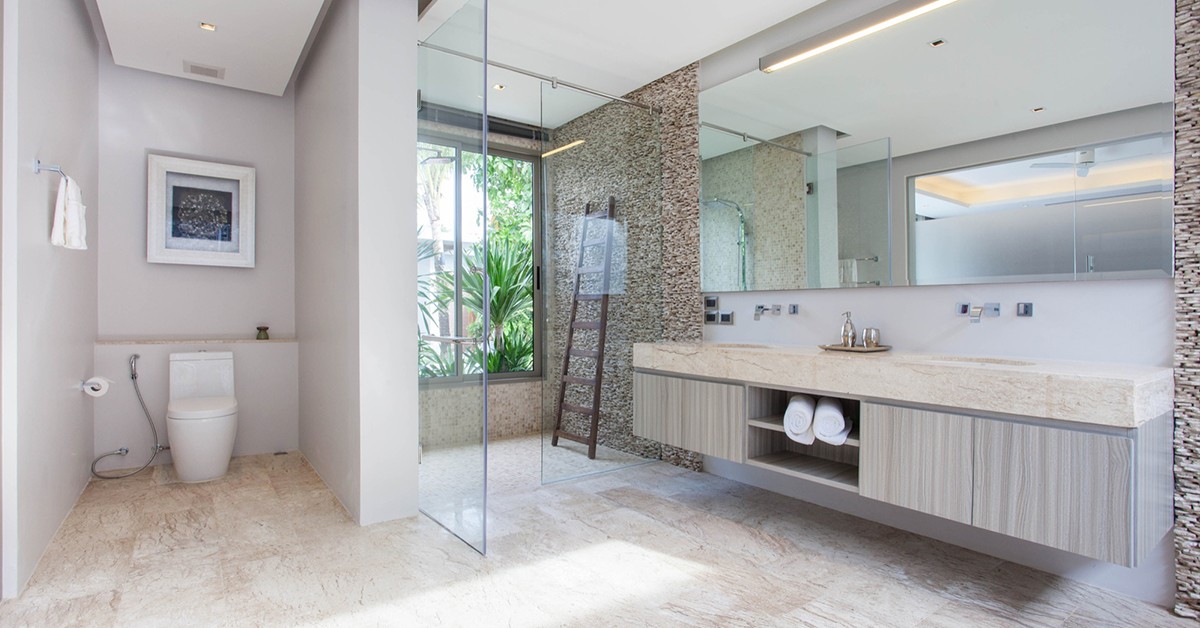
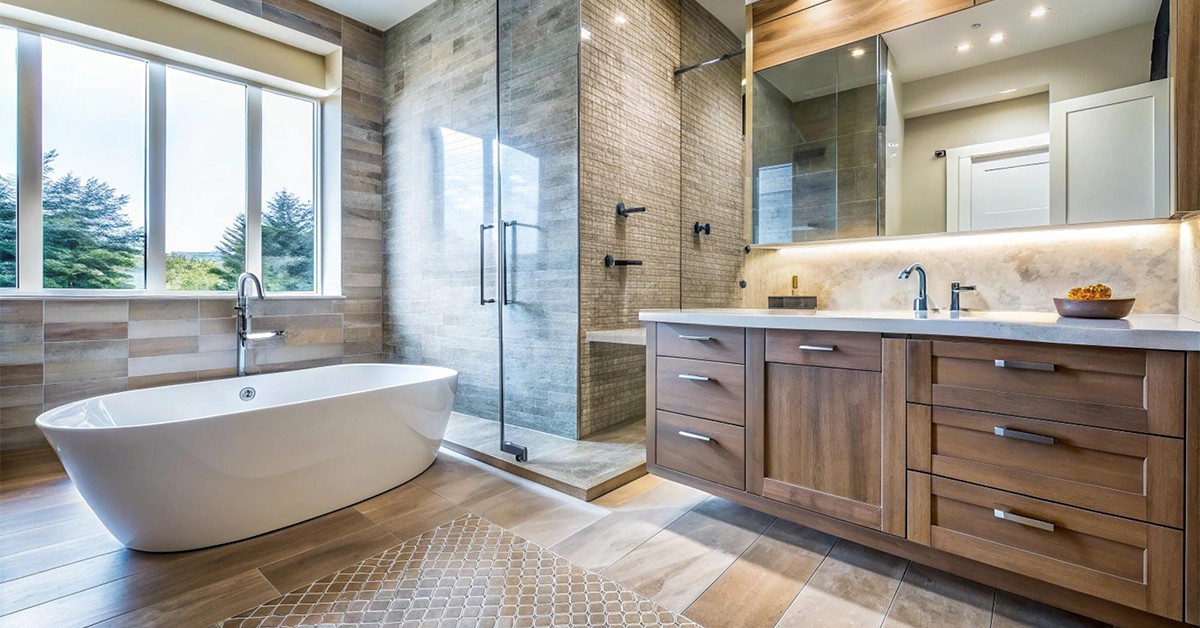
The bathroom is often the riskiest room in the house. Wet surfaces, tight spaces, and hard edges make it so. We start here on almost every safety project.
Older homes often have plaster and lath walls, which makes finding studs tricky. In our experience, a stud finder and a little patience prevent most mistakes. Sometimes we add solid wood blocking behind the wall first.
Many older Durham homes have porch steps, raised thresholds, or both. These are easy to trip on, especially in the rain. A small threshold ramp helps people who use walkers or wheelchairs. Sturdy handrails should run along the stairs, ideally on both sides. Each rail needs to be easy to grip and firmly anchored. Check porch boards and concrete steps too. Look for loose boards, cracks, and slick spots. A grit additive in the paint can add traction to wood steps.
Round door knobs are hard on sore or weak hands. Lever handles take less grip, and you can even open them with an elbow. They are one of the easiest swaps we do, and they make a big daily difference.
Storage matters just as much. Move everyday items to waist or shoulder height. This cuts down on bending and reaching, which can throw off balance. Pull-out shelves in low cabinets also help, since they bring items to you.
Older wiring deserves respect. Some homes still have knob-and-tube wiring, and many have too few outlets. Flickering lights, warm outlets, or crackling sounds are warning signs. When we see them, we stop and recommend a licensed electrician.
Two simple upgrades help right away. GFCI outlets near sinks protect against shock. Working smoke and carbon monoxide alarms on every level protect against fire. Test them monthly, and replace smoke alarms about every 10 years.
A clear plan keeps costs down and stress low. Here is the order we follow with homeowners.
Know When to Call a Pro
Plenty of safety jobs are not hard, but they must be done right. A grab bar that pulls out of drywall can cause the very fall it was meant to prevent. We have seen it happen. Reliable handyman services in Durham, NC often cover grab bars, railings, door swaps, shelf changes, and small ramps. A good pro will also tell you honestly when a job needs a specialist. That honesty is worth a lot.
Before you hire anyone, ask a few questions. Have they worked on older homes? Do they carry insurance? Will they put the job scope in writing? Clear answers are a good sign.
We would love to help you get started. At Gary The Handyman, we serve homeowners in Durham, Cary, and Apex with carpentry, bathroom remodeling, and general home repairs. If you want a trusted handyman for grab bars, railings, door upgrades, or small fixes, we are ready to work with you. Our handyman services in Durham, NC, are built around careful work and honest advice. Whether you need one quick fix or a full safety plan, visit our website to schedule your visit today.
Most grab bars sit 33 to 36 inches above the floor. Mount them into wall studs or solid blocking, not just drywall. Adjust the height to fit the user’s reach and needs.
The ADA standard is a slope of 1:12. That means every inch of rise needs 12 inches of ramp length. Gentler slopes are easier and safer, especially for older users.
A clear opening of 32 inches is the usual standard for wheelchair access. Walkers often fit through narrower doors, but measure first. Offset hinges can add about 1.5 to 2 inches of clearance.
Homes built before 1978 may have lead paint. Test before you sand, scrape, or cut. Hire a contractor with EPA lead-safe training for any work that disturbs painted surfaces.
Set the water heater to 120°F. Hotter settings can burn skin very quickly, especially for older adults with thinner skin. Check the setting after any repair or move.